
The Sustainable Development Unit (SDU) of the Ministry of Tourism, Civil Aviation and Sustainable Development and the Caribbean Community Climate Change Centre (CCCCC) conducted climate education outreach at two schools across Saint Vincent and the Grenadines in February 2026, equipping young people with the knowledge and tools to understand and respond to the climate threats facing their nation.
The initiative forms part of broader public sensitisation efforts surrounding Saint Vincent and the Grenadines revised National Adaptation Plan (NAP) and the development of two sectoral adaptation plans focused on Tourism and Marine and Coastal Environments.
On February 24th, Mr. Kurt Dougan of the Sustainable Development Unit, joined by a team from the CCCCC, visited the Stephanie Browne School on Union Island, where pupils participated in an interactive, peer-to-peer learning approach designed to make climate science accessible and engaging for young learners. The ‘Climate Detective Activity’ offered students an opportunity to explore key climate threats facing small island developing states (SIDS), like Saint Vincent and the Grenadines, including coral bleaching, hurricanes, coastal erosion, and drought. The following day, February 25th, the team continued their outreach at the St. Vincent Grammar School, conducting similar Climate Detective Activities with students.
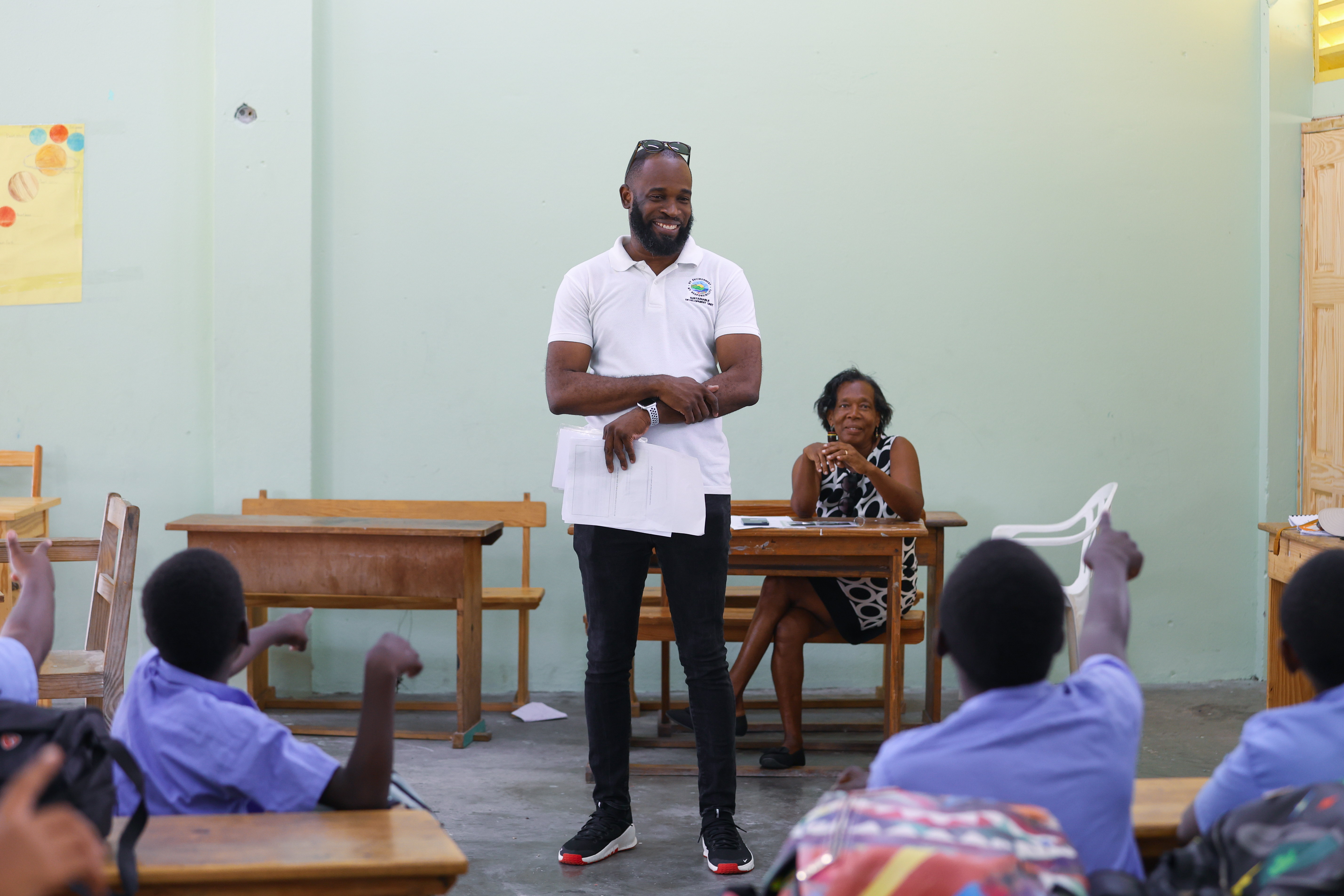
"Children were not the participants of the activities we held this week, they were the architects of tomorrow’s resilience. Activities like this put together by the Caribbean Community Climate Change Centre plant the seeds of climate awareness, environmental stewardship and national pride in young minds. When young children understand the value of protecting our coasts, our reefs and our communities, we are not simply educating them but empowering them, a whole generation, to safeguard the future of SVG” - Kurt Dougan, Environmental Resource Analyst at the Sustainable Development Unit of the Ministry of Tourism, Civil Aviation and Sustainable Development.
Furthermore, Project Manager Francisco Magana shared "When a child in Union Island can explain coral bleaching to their classmate or identify the signs of coastal erosion on their own shoreline, that is real climate literacy. That is exactly what our region needs. For the CCCCC, ensuring that Caribbean communities understand the climate risks they face and are empowered to respond is at the heart of our work. Climate adaptation cannot succeed if it only lives in policy documents; it has to live in people. These activities are about giving our young people the knowledge and confidence to protect the places they love.
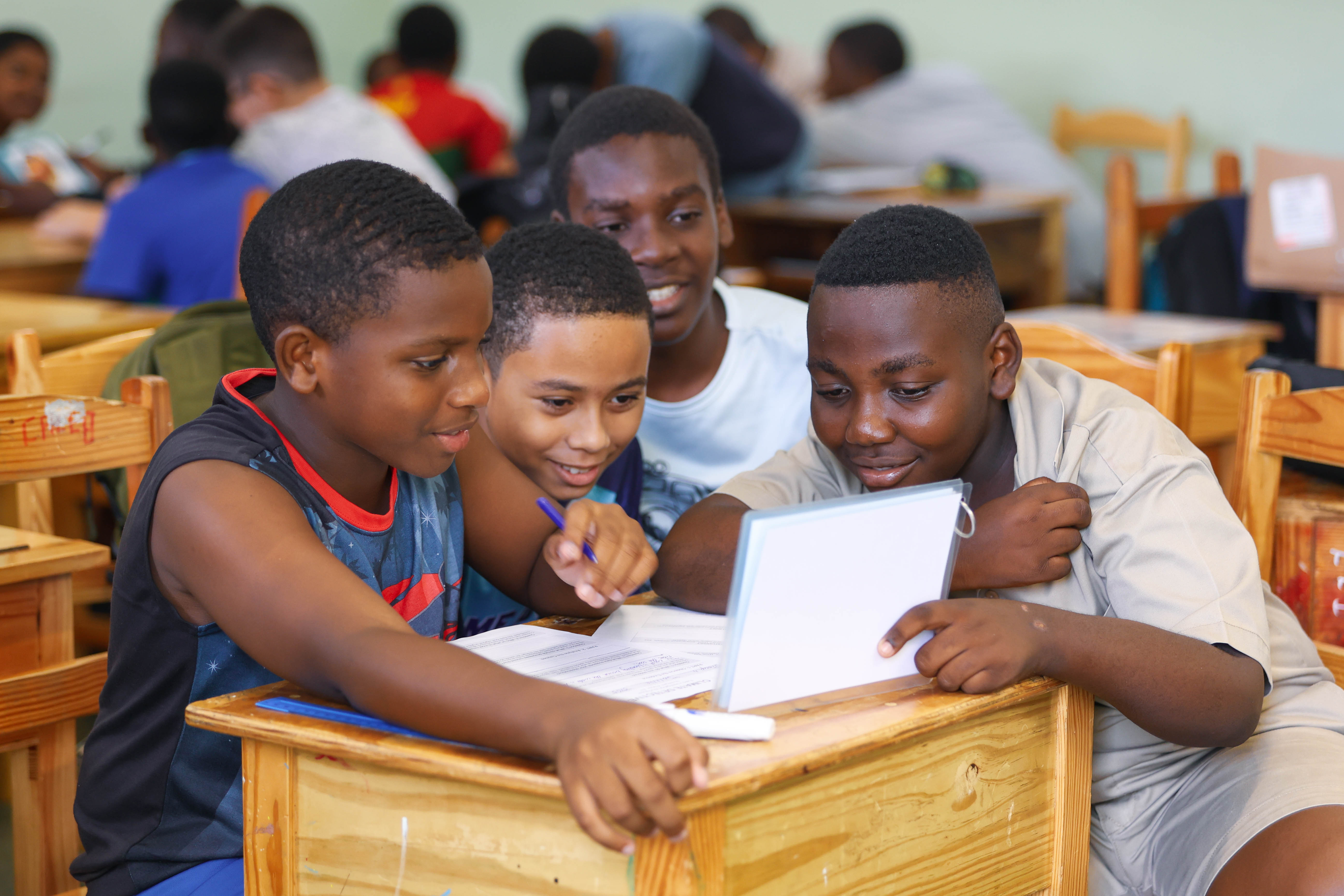
The Sustainable Development Unit and its partners will continue centering young people in these conversations, as the activities recognise that the next generation will play a critical role in shaping the country’s long-term resilience to climate change, both as future decision-makers and as advocates within their own communities today.
SOURCE: Ministry of Tourism, Civil Aviation,and Sustainable Development